
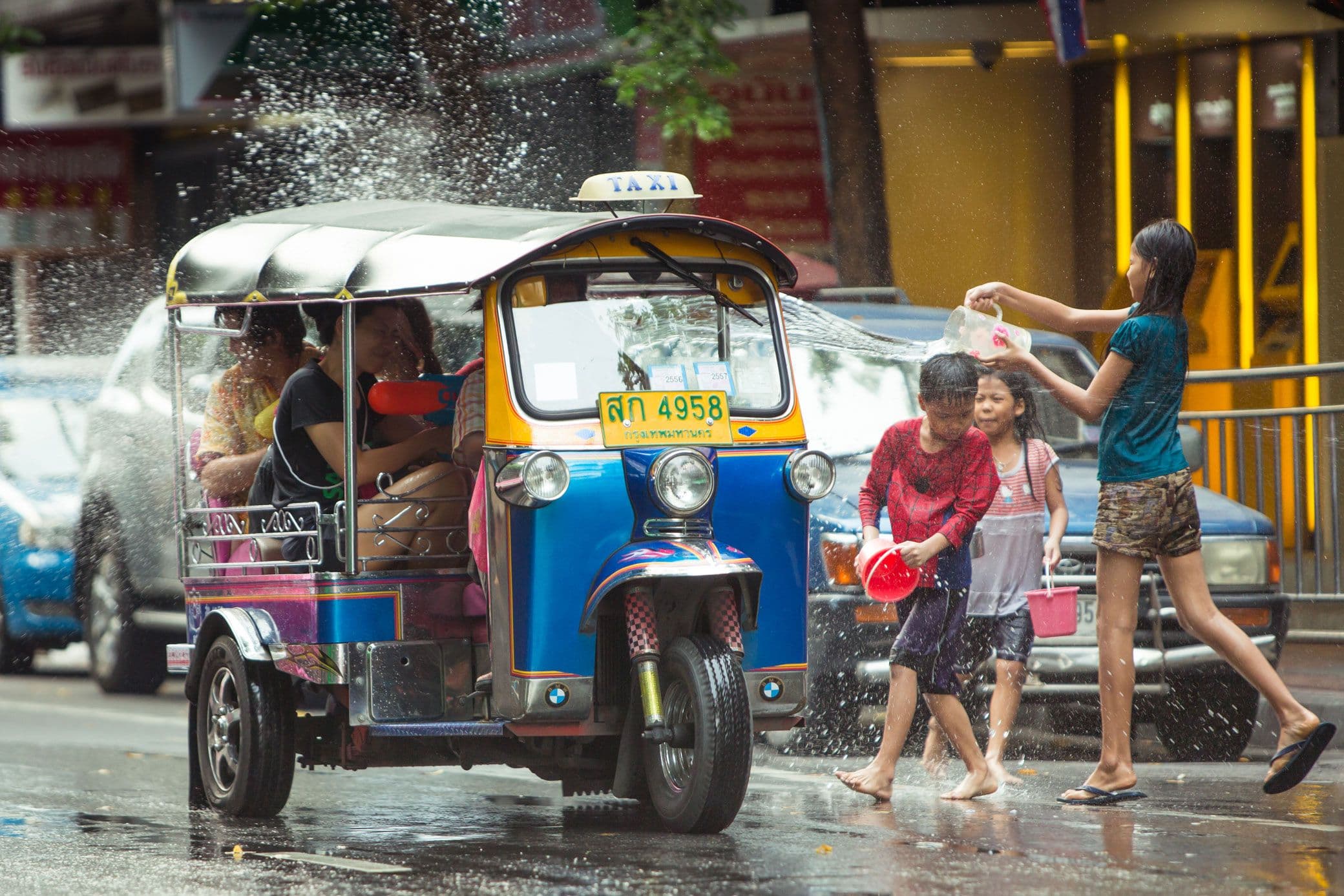

For many travelers, the word 'Songkran' instantly brings to mind images of soaking-wet crowds, giant water guns, and loud street parties. Yet, for Thai people, these celebrations are only one layer of a festival rooted in history and deep spiritual significance.
At its heart, Songkran is a time for returning home, gathering with family, visiting temples to earn merit, and embracing the promise of new beginnings.
Thailand’s Traditional New Year
Celebrated annually from April 13 to 15, Songkran is the traditional Thai New Year. Derived from the Sanskrit word for 'movement' or 'transition,' it marks the sun’s passage into a new zodiac sign. While Thailand adopted January 1 as the official calendar New Year, Songkran remains the cultural soul of the nation—a fact recently solidified by UNESCO’s recognition of the festival as an Intangible Cultural Heritage.
The Deeper Meaning of Water
To those unfamiliar with Thai customs, the water fights might seem like pure fun, but the tradition of using water has ancient origins. It symbolizes purification, the washing away of past misfortunes, and the welcoming of a clean slate.
Respectful rituals take precedence over street parties: gently pouring scented water over Buddha statues and tenderly cleansing the hands of elderly relatives are profound acts of blessing and gratitude.
The true spirit of Songkran wasn't meant to be aggressive; it is a celebration of respect, blessings, and starting the new year with a peaceful heart.
A Time for Family
Perhaps the most poignant aspect of Songkran is the mass migration back to hometowns. It is the busiest travel period in Thailand, as city residents head home to provinces across the country to reunite with loved ones. For millions, the essence of Songkran is not the splash of water, but simply the joy of being home.
Celebrating in Bangkok
Bangkok is a tale of two cities during the festival. Iconic streets like Khao San Road and Silom become massive, high-energy party zones where thousands of people share in the water-fueled fun. Meanwhile, tucked away in quiet alleys, local temples are filled with families observing merit-making rituals with grace and reverence.
The Magic of Chiang Mai
Chiang Mai is often cited as the ultimate Songkran destination. The ancient city moat transforms into a marathon water festival, but what truly distinguishes Chiang Mai is how seamlessly the modern water fights blend with the deep-rooted Lanna traditions and religious processions that define the city.
High-energy street parties met with traditional temple calm.
Lanna traditions meet the world’s most epic water celebration.
Temple visits and family blessings remain the festival's foundation.
Tips for Visitors
If you venture out during Songkran, expect to get soaked. Protect your phone and documents with waterproof cases, and dress in light, quick-drying clothing. Above all, be mindful of cultural boundaries: don’t throw water on monks, elderly people, or anyone clearly not participating in the festivities.
The Spirit of Thailand
Ultimately, Songkran reflects the dual personality of Thailand. It is a country where deep-seated tradition, family devotion, and spiritual merit-making exist harmoniously alongside modern tourism, pop music, and global celebrations.
Songkran is more than just Thailand’s biggest festival; it is a mirror reflecting the enduring beauty of Thai culture.